Norway
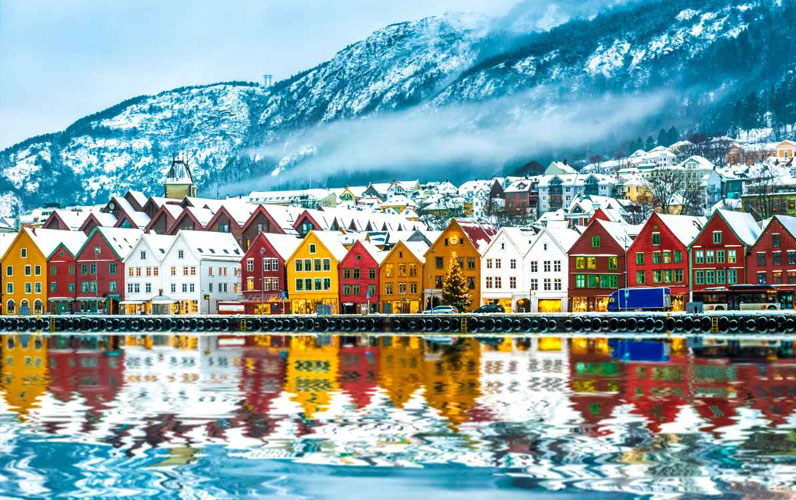
- Country Overview: Norway, officially the Kingdom of Norway, is a Nordic country on the Scandinavian Peninsula in Northern Europe. It covers ≈385,200 km² with a population of about 5.6 million. Norway is a constitutional monarchy (King Harald V) and parliamentary democracy. It maintains a high-income economy with extensive social welfare – universal health care and social security are guaranteed to all citizens. Norwegian society emphasizes egalitarian values and work–life balance; the country consistently ranks near the top of world happiness and quality-of-life surveys. Natural attractions (fjords, northern lights) and a clean environment are cultural hallmarks.
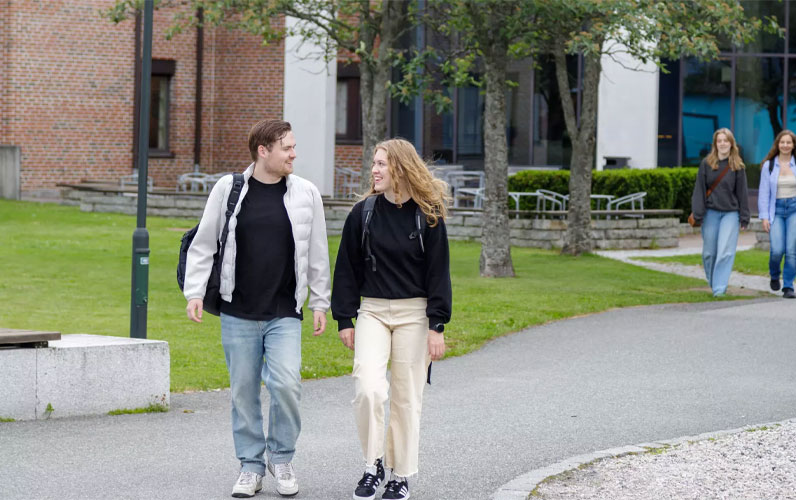
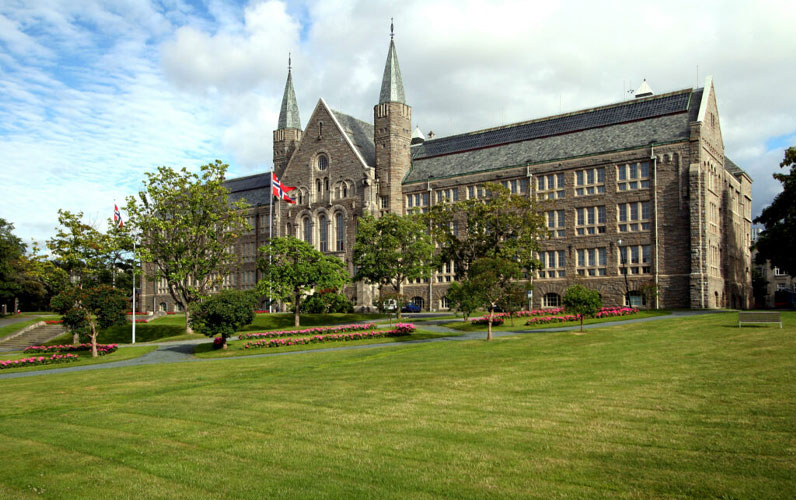
- Higher Education: Norway’s universities are mostly public and have high quality (several rank in global lists). For example, the University of Oslo, the Norwegian University of Science and Technology (NTNU, Trondheim) and the University of Bergen are noted for research in science and engineering. Historically Norway offered free tuition to all students, but since autumn 2023 it has introduced tuition fees for non‑EU/EEA students. EU/EEA/Swiss students still study tuition-free. English-taught programs (especially at Master’s/PhD level) are widely available, but many bachelor’s courses are in Norwegian. Students experience small class sizes and modern facilities, though strict academic standards. A student welfare fee (~1000 NOK/semester) grants subsidized housing, food and recreational services.
- International Students (especially Indian): Norway attracts international students with its low-cost education. Living costs are high (estimated 13,790 NOK/month, about €1,240), and non‑EU students normally pay tuition (varying by program). For example, top schools charge roughly 150,000–250,000 NOK/year (€13,000–€21,000) for non‑EU students. Students from outside EU must prove financial means (~NOK 13,000/month) for a residence permit. There are few scholarship schemes for outsiders, so most students rely on savings or loans. Course options include engineering, natural sciences, medicine, business, and maritime studies. The vibrant student life includes outdoor activities and international student networks. Immigration rules allow study permit holders (non‑EU) to work up to 20 hours/week during semester (full-time in holidays). Families can accompany students after some time (rules apply).
- Top Public Universities: Major public universities welcoming internationals include the University of Oslo (largest, strong in social sciences and medicine), NTNU Trondheim (engineering and technology), University of Bergen (medicine, marine sciences), University of Tromsø – The Arctic University, and the Norwegian School of Economics (Bergen). Several colleges also offer specialized programs (e.g. BI Norwegian Business School for business, Vålerenga University College for arts). The education level is uniformly high across these institutions.
- Work & Post-Study: Students on a residence permit may work part-time (20 hrs/week during study). Wages are relatively high: Norway’s minimum wage is roughly NOK 11.65/hr (gross, 2024). After graduation, holders of study permits can apply for a one-year job‑seeker residence permit. During this period they can hunt for employment; finding a relevant job allows application for a standard work (skilled worker) visa. Norway’s low unemployment and demand for engineers, IT specialists and researchers make post-study work opportunities good, especially if one masters Norwegian.