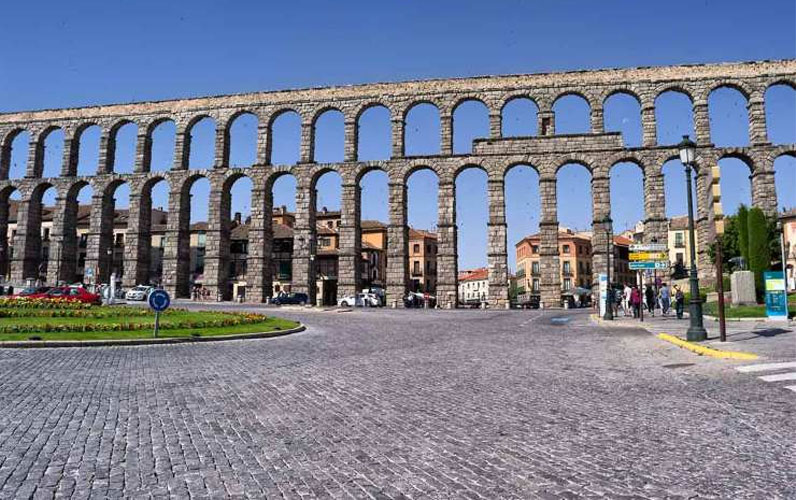
Spain
- Country Overview: Spain (Kingdom of Spain) lies in Southwestern Europe on the Iberian Peninsula. It is the largest country in Southern Europe and the 4th most populous EU nation (≈47 million people). Spain’s government is a parliamentary constitutional monarchy (King Felipe VI, Prime Minister Pedro Sánchez). It has a rich cultural heritage (e.g. Gaudí’s architecture, flamenco music) and a Mediterranean lifestyle (late dinners, siesta tradition, tapas cuisine). Climate varies from sunny Mediterranean coasts to cooler interior. Spain ranks high on quality of life and has universal healthcare. Spanish and Catalan are official languages. Major cities (Madrid, Barcelona, Valencia) are cosmopolitan with vibrant student scenes.
- Higher Education: Spanish universities have good international reputations in fields like engineering, social sciences, business and health. Tuition is very affordable by European standards. Public university fees are often only several hundred euros per year: for example, a typical Bachelor’s degree costs about €800–1,200/year for EU students. Even Master’s programs at public institutions often charge <€3,000–5,000/year. (Private universities and specialized schools charge more.) The Spanish university system is decentralized (Autonomous Communities set fees). Many universities now offer English-taught Master’s programs (in business, engineering, IT) especially at top schools (e.g. IE Business School, UPF in Barcelona). Students experience lively campus life with strong student organizations and cultural events.
- International Students (especially Indian): Spain attracts many internationals, including students from India who often enroll in engineering, management, architecture or medical programs. A Spanish student visa (long-term “estancia por estudios”) is required. Living costs are relatively low: monthly budgets of about €600–1,200 cover housing, food and travel (cheaper outside Madrid/Barcelona). Spanish government and EU offer some scholarships (e.g. MAEC-AECID, Erasmus+) for foreigners, as well as university-specific grants. On a student visa, non-EU students may work up to 30 hours/week during studies. Graduates are permitted to stay for one year after finishing (a “job-seeker” permit) to find work. Afterward they can apply for a work visa. International graduates in fields like engineering, IT and Spanish language professionals find good opportunities (Spain’s economy needs STEM and healthcare talent).
- Top Public Universities: Leading Spanish public universities include the University of Barcelona, Complutense University of Madrid, Autonomous University of Madrid, Pompeu Fabra University (Barcelona), Polytechnic University of Catalonia (Barcelona), University of Valencia, University of Granada and University of Zaragoza. These schools offer a wide range of programs (sciences, engineering, humanities, social sciences). Business and engineering schools (e.g. Universitat Politecnica) are especially notable. Spain also has prestigious private institutions (e.g. IE University, ESADE) that enroll many international students.
- Work & Post-Study: While studying, non-EU students can work part-time (max 30 hrs/week). Minimum wage is relatively low (€8–10/hr) but on-campus jobs are available. After graduation, Spain allows non-EU graduates to stay up to 12 months to seek employment. If a graduate finds suitable employment, they can apply for a residence/work permit. Fields like IT, engineering, hospitality and international trade offer job prospects. Spanish fluency (or at least strong English plus Spanish skills) greatly improves employment chances.